
A truly timeless kitchen is not created by chasing what is popular at the moment. It comes from designing a space that continues to feel functional, balanced and visually relevant as tastes change over time. In projects involving kitchen renovations in Tamworth, that usually means focusing on practical layout decisions, durable materials and design choices with lasting appeal rather than short-lived trends. When the foundation of the kitchen is well considered, the space is far less likely to feel dated in just a few years.
Pulse Kitchens explores the design principles that help a kitchen remain appealing for the long term. This includes choosing cabinetry styles that do not quickly fall out of fashion, selecting colours and materials that work across changing tastes and planning a layout that continues to support everyday life as needs evolve. It also looks at how to introduce personality in ways that can be updated more easily later. The goal is to help homeowners make confident decisions that reduce the risk of costly regrets and create a kitchen that still feels right well into the future.
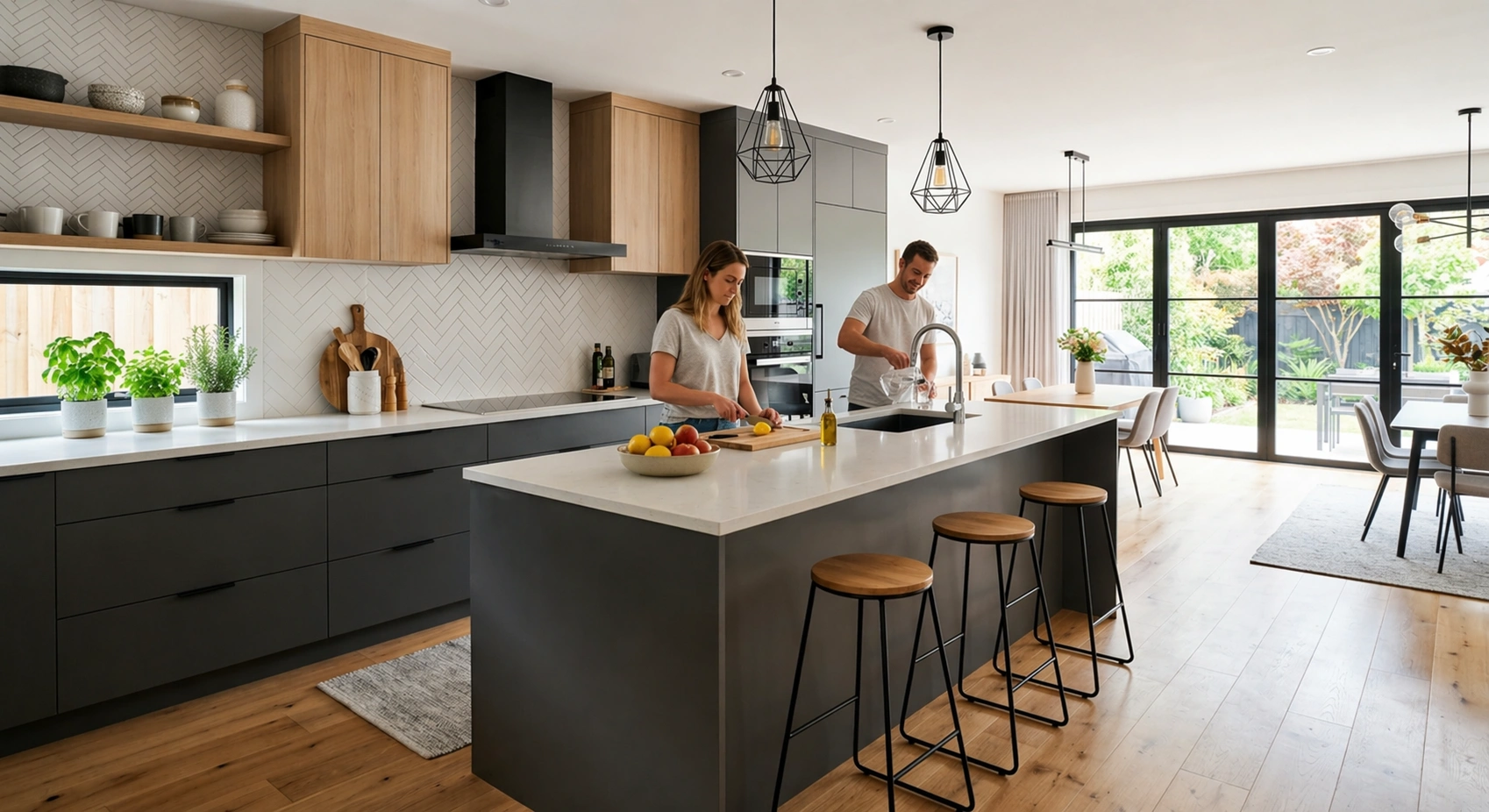
A timeless kitchen continues to feel appropriate year after year because it is built around good design fundamentals rather than trend-driven features. It feels settled, functional and visually balanced. Instead of relying on bold statements that quickly reveal when the kitchen was installed, it uses proportion, restraint and material quality to create a space that ages well.
This does not mean a timeless kitchen has to feel plain. It means the permanent elements are chosen carefully so they still work as styles shift around them. Cabinetry, worktops, lighting, hardware and layout all contribute to whether the room remains adaptable or starts to feel tied to a particular era.
Cabinetry has one of the biggest influences on whether a kitchen feels enduring or quickly outdated. Simpler door styles tend to have broader appeal over time because they do not rely on decorative details that can fall out of favour. Shaker profiles and plain flat-panel doors are often the safest long-term options because they suit both traditional and contemporary homes without looking extreme in either direction.
Proportion matters just as much as style. A timeless kitchen usually feels orderly because door and drawer sizes are balanced, wall units are scaled to suit the room and tall cabinets are grouped in a way that looks intentional. Oversized end panels, bulky island supports or scattered cabinet runs can make the design feel heavy and awkward. When cabinetry is arranged with clear rhythm and sensible proportions, it creates a calmer backdrop that does not demand attention.
Colour is one of the quickest ways to date a kitchen, particularly when it is used heavily on fixed elements such as cabinetry or splashbacks. Timeless kitchens usually rely on a restrained palette with softer contrast, allowing the room to feel calm and cohesive rather than sharp or overstated. Soft whites, warm neutrals, muted greys and earthy tones generally hold up well because they sit comfortably alongside natural materials and changing décor.
That does not mean colour has no place. Deeper tones such as navy, charcoal or green can still work, but they are usually more effective when used selectively rather than across the entire kitchen. Strong colour choices are often better introduced through elements that are easier to change later, such as bar stools, decorative lighting, wall paint or accessories. This keeps the overall scheme more flexible without stripping the room of personality.
Material choice has a major effect on how a kitchen looks over time. Natural or honest-looking finishes tend to age more gracefully than surfaces that feel overly synthetic or heavily stylised. Timber, stone and high-quality laminates that convincingly reflect these materials usually provide a more lasting look than high-gloss finishes or obvious imitation textures.
The same principle applies to smaller details. Handles, taps, sinks and lighting should feel simple and dependable rather than fashionable for the sake of it. Brushed nickel, stainless steel, matte black and aged brass are all finishes that can work well when used with restraint. A honed or satin finish on benchtops also tends to be more forgiving than very glossy surfaces, which can show wear more easily and sometimes feel more trend-led. When details are understated and well made, the kitchen is less likely to need updating simply because tastes have shifted.
A timeless kitchen is not only about appearance. A layout that works well now and continues to function as household needs change is just as important as the visual design. Even the most attractive kitchen can become frustrating if the floor plan is awkward, congested or too rigid to adapt. A well-planned layout supports cooking, cleaning, movement and storage in a way that still makes sense years later.
This starts with practical relationships between the main working areas. The sink, cooktop and fridge should be positioned so movement between them feels natural, whether that is described as a working triangle or as a series of workflow zones. Preparation, cooking, cleaning and storage areas should sit close enough to each other that everyday use feels efficient, without creating pinch points or forcing people to constantly cross paths.
Clear circulation matters just as much. Walkways should allow people to move through the space without cutting directly across the main cooking zone. When movement through the kitchen is easy and safe, the room continues to function well even as family routines change.
Layout shape also matters. L-shaped kitchens often work well in open-plan homes because they keep the kitchen connected to living areas without overcomplicating the room. U-shaped kitchens can provide strong bench space and storage where the room size supports them. Galley kitchens remain one of the most efficient options for narrower spaces, provided there is enough clearance between runs.
What matters most is that the layout suits the room and supports movement rather than following a layout style simply because it is fashionable. A kitchen that fits the space properly will almost always feel better over time than one built around a trend.
Future flexibility should also be part of the planning. Appliance sizes, storage needs and family routines can all change over time. Leaving room for different appliance combinations, including sufficient power points and avoiding overly restrictive design features can help the kitchen adapt without requiring major structural work later.
A layout based on clear circulation, practical geometry and generous working space will usually outlast one built around short-term ideas. That flexibility becomes increasingly important as households grow, appliances change and the way the kitchen is used evolves.
Because cabinetry dominates the visual impression of a kitchen, it makes sense to approach it with restraint. Timeless cabinetry does not have to be bland, but it should avoid looking too tied to a particular design era. Heavy decorative routing, ornate mouldings and highly stylised door profiles often date quickly, while extremely glossy or ultra-minimal slab kitchens can also become associated with a very specific period.
The strongest long-term choices are usually simple. Shaker doors with a modest frame, flat-front cabinetry with subtle detailing and occasional feature elements such as timber accents or limited glass-front cabinets can all work well. These styles allow the quality of the materials and proportions to speak for themselves rather than relying on decoration.
Colour should support that same sense of longevity. White remains reliable, but softer off-whites, warm greys, greige, putty and muted earthy tones can often feel more relaxed and forgiving in everyday use. Timber also adds warmth and depth, especially when used selectively on an island, pantry bank or shelving rather than throughout every cabinet. The key is to choose finishes that feel natural and adaptable rather than overly dramatic or obviously linked to a passing trend.
Construction quality matters just as much as appearance. A kitchen will not feel timeless for long if cabinet doors drop, drawers stick or boards deteriorate around moisture-prone areas. Good hinges, soft-close runners, moisture-resistant substrates and solid internal hardware all help the kitchen continue to function and look well-finished over time. Longevity is not only about style. It also depends on whether the kitchen physically holds up to daily use.
One of the biggest misconceptions about timeless design is that it has to be neutral to the point of feeling lifeless. In reality, a timeless kitchen can still show plenty of personality. The difference is that character is introduced in ways that are easier to update, while the core elements remain steady and versatile.
The most effective approach is to keep the expensive, permanent features relatively restrained and layer personality through pieces that can change. Decorative lighting, stools, artwork, window furnishings, small appliances and styling objects all give the kitchen a distinct feel without locking it into one look for the next decade. If tastes shift, those elements can be updated without ripping out cabinetry or replacing benchtops.
Open shelving and glass-front cabinets can also help personalise the space when used carefully. They work best when they display practical, attractive items rather than becoming purely decorative clutter zones. Favourite crockery, cookbooks or a few well-chosen pieces can add warmth and individuality, provided the overall backdrop is calm enough to support them. A timeless kitchen is not devoid of character. It simply places that character in the right places.
A kitchen that looks timeless but does not function well will not feel successful for long. Lasting appeal depends on practicality as much as appearance. Storage, lighting, services and circulation all shape how the kitchen performs day after day, and poor decisions in these areas can make the room feel frustrating well before it looks dated.
Storage should support real use rather than just filling space. Deep drawers, internal organisers, tall pantry storage and pull-out waste solutions generally perform better than a kitchen dominated by small cupboards. They improve access, reduce clutter and make it easier to keep surfaces clear.
Adjustable shelving and flexible storage zones also help the kitchen adapt as needs change over time. A well-organised kitchen is easier to live with, and that everyday ease plays a major role in whether the space continues to feel successful.
Lighting should be layered so the space works well in different situations. Task lighting over preparation and cooking areas is essential, while softer ambient lighting helps the room feel comfortable beyond meal prep. Decorative fittings can add style, but they should not be the only source of useful light.
Power points should also be planned generously and positioned logically so the kitchen can support both current appliances and future changes. These details are often overlooked early on, but they have a major impact on long-term practicality.
Ventilation and extraction are equally important. Good extraction helps protect cabinetry, ceilings and finishes from grease and moisture build-up, which affects both appearance and maintenance over time. A kitchen that remains comfortable, clean and easy to use is far more likely to continue feeling relevant.
Everyday function is what allows a design to keep working in real life. Even the most visually appealing kitchen will lose its appeal if it is difficult to cook in, hard to clean or poorly equipped for daily routines.
Understanding what tends to date a kitchen can be just as useful as knowing what gives it lasting appeal. Many kitchens begin to feel old not because they are poorly built, but because they rely too heavily on design features that were fashionable for a short period and then quickly lost favour.
Highly ornate cabinet doors, novelty handles, excessive mouldings and heavily themed finishes are common examples. At the other end of the spectrum, some very stark high-gloss kitchens with little visual warmth can also feel dated because they reflect a particular design moment too strongly. Dramatic contrast, trend-heavy colour choices and obvious faux textures can have a similar effect, especially when used on large, fixed surfaces.
Layout decisions can also contribute to a dated feel. Cramped walkways, isolated cooking zones, awkwardly placed appliances and bulky overhead cabinetry can make the room feel less suited to how kitchens are used today. Even if those choices were common in the past, they may no longer support the open, flexible and efficient use people expect from a modern kitchen. Avoiding these pitfalls helps protect both the appearance and function of the space over the long term.
A kitchen should still feel connected to the home and the people who use it. Designing for longevity does not mean ignoring personal taste. It means applying it in a measured way so the kitchen remains comfortable now without becoming limiting later. The strongest results usually come from balancing classic foundational choices with selective personal details.
Simple cabinetry, a dependable palette and durable materials form the base of that balance. Once those are established, it becomes easier to introduce individual style through lighting, hardware, furniture and styling. This allows the kitchen to feel distinctive without tying it too closely to one design trend or one moment in time.
That balance is what gives a kitchen true staying power. It can still evolve through small changes, yet the overall room remains stable and cohesive. Instead of needing a major visual overhaul every few years, it continues to work with the home and respond to changing preferences more naturally.
A timeless kitchen is the result of careful decisions made early, not a single style choice or finish. Practical layout, balanced proportions, restrained colours, durable materials and reliable cabinetry all contribute to a space that continues to feel relevant and comfortable over time. When the permanent features are chosen with longevity in mind, the kitchen can absorb smaller updates without losing its identity.
The most successful kitchens are those that combine function and visual restraint with just enough personality to feel warm and individual. Rather than chasing trends, they prioritise choices that will still make sense years from now. That is what gives a kitchen lasting value and what helps it remain a natural, well-used part of the home long after current fashions have moved on.

