
A well-planned bathroom renovation can do far more than refresh tired tiles or replace worn fixtures. The right design decisions can transform a purely practical space into a room that feels luxurious to use every day while also adding measurable value to a home. At Pulse Kitchens, we see time and again that carefully chosen features improve both the look and liveability of a bathroom, which in turn appeals strongly to future buyers. This article explores the key inclusions that successfully balance-style function and long-term resale value so homeowners can invest in details that genuinely make a difference.
From smart storage and layout choices to premium finishes, efficient lighting and upgraded tapware, every element contributes to how a bathroom feels and performs. We will look at popular inclusions such as walk-in showers, custom vanities and in-floor heating along with thoughtful accessibility features that quietly future-proof a home. By the end readers will understand which upgrades tend to deliver the strongest return, what creates a more enjoyable everyday experience and how these features can be tailored to suit different budgets and bathroom sizes.
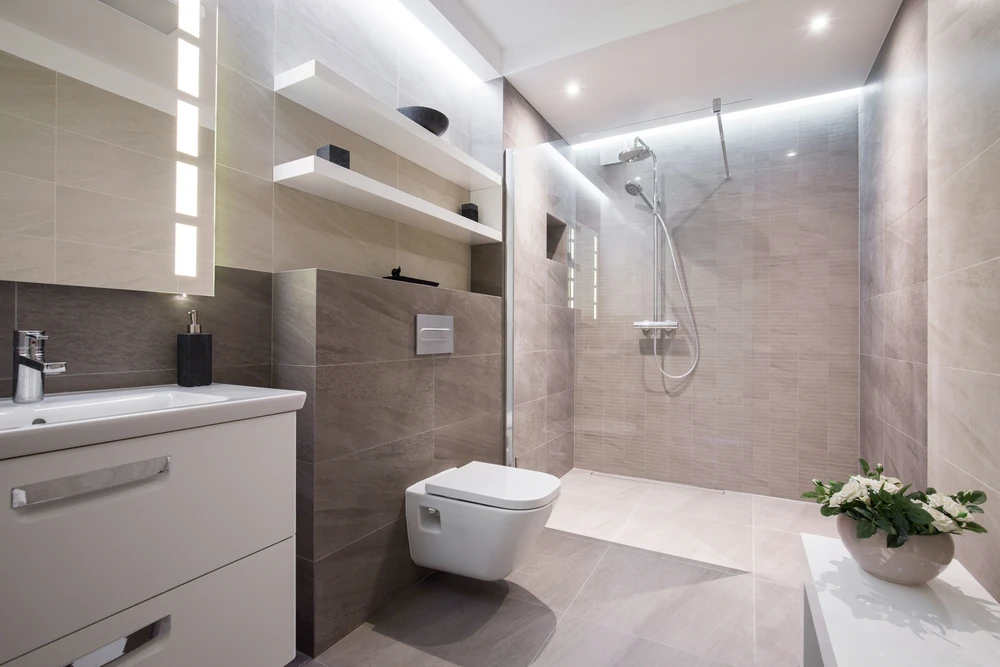
A clever bathroom layout can make the space feel larger, easier to use and more enjoyable every day. Buyers notice when a room simply works, with clear circulation, smart storage and fixtures placed where people naturally need them. Thoughtful planning also helps avoid bottlenecks on busy mornings and supports ageing in place.
Professional bathroom renovations in Tamworth focus on layouts that match how a household actually lives. That means looking at who uses the room, at what times and for which tasks, then arranging showers, vanities and toilets to support that routine rather than fighting it.
One of the most effective upgrades is rethinking where key fixtures sit. Shifting a toilet out of the direct sightline and closer to existing plumbing feels more private and typically saves on costs. Locating the shower or bath at the back of the room encourages a clear entry zone that stays drier and tidier.
In family bathrooms a double vanity can be a worthwhile investment if space allows. Pulse Kitchens recommend at least 900 mm between opposing fixtures so doors and drawers can open without clashing. Positioning towel rails within easy reach of the shower and bath also improves daily use and helps prevent water dripping across the floor.
Door style matters too. Replacing a traditional swing door with a cavity slider or outward-opening door can free up valuable wall space for storage or a larger vanity. In tight rooms switching to a wall-hung toilet or compact basin can improve circulation without feeling cramped.
Upgrading to a walk-in shower with a low or zero threshold is one of the most practical changes for both daily comfort and long-term accessibility. A generous shower with a simple glass screen or partial wall feels open, is easier to clean and suits buyers of all ages. Licensed renovation experts generally suggest a minimum internal shower size of 900 x 900 mm for comfortable use.
Where families or future resale are a priority, including at least one bath in the home is usually recommended. In smaller rooms a shower over bath with a quality screen can balance function and space. Locating the shower away from the main entry can reduce water tracking through the room and protect cabinetry from constant moisture.
Integrating proper fall to the floor waste in wet areas is critical. A linear drain along the back wall pairs well with large-format tiles and reduces grout lines underfoot. This kind of hidden upgrade does not stand out visually yet makes cleaning easier and drainage more reliable.
Functional layouts plan for where items are stored and used, not just where fixtures fit. Deep drawers under the vanity keep toiletries visible and accessible, while mirrored shaving cabinets store everyday items at eye level without crowding the benchtop. Professionals often incorporate niche shelving in showers to keep bottles off the floor and out of corners.
Power points are a small detail that makes a big difference. Locating outlets inside vanity cabinets or mirrored units keeps electric toothbrushes and shavers charged but hidden. Planning for hair dryers and styling tools with nearby power, bench space and a stool-height area can transform how smoothly mornings run.
Finally, thought should be given to the lighting layout. Task lighting around the mirror combined with a main ceiling light and an exhaust fan in the right position improves both function and air quality. With these elements planned together, the bathroom feels intuitive to use day after day, which also adds to its appeal when it is time to sell.
Materials and fixtures are what people see and touch every day, so they have an outsized influence on how stylish a bathroom feels and how well it ages. Trusted renovation contractors focus on finishes that look current now yet will not feel dated in a few years and that also stand up to daily moisture and cleaning. The right design features can quietly lift the whole room, making it feel more considered and more valuable to future buyers.
By prioritising durable surfaces, classic profiles and a restrained palette, homeowners can enjoy a bathroom that stays fresh longer without constant updates. Visual impact is not only about bold choices but about consistent quality that still looks good after years of use.
For floors and walls, licensed bathroom renovation contractors often recommend large-format porcelain or ceramic tiles. They resist stains and moisture, and fewer grout lines mean less cleaning and a more seamless look that suits both modern and traditional homes. Neutral tones like soft greys, warm beiges and stone-inspired patterns create a calm backdrop that works with many styles if the room is updated later.
On vanity benchtops, engineered stone or quality laminate with a stone look offers strong long-term value. Engineered stone delivers high scratch and stain resistance, while laminates have improved significantly and can achieve a refined appearance at a lower cost. A simple square edge profile keeps the look contemporary and avoids trends that can date quickly.
For feature areas such as shower niches or vanity splashbacks, professional bathroom renovators suggest using texture instead of strong colour to add interest. Structured tiles with fluted details or subtle mosaics provide depth without locking the room into a short-lived fashion palette.
Tapware and hardware are small items that have a big visual impact. Brushed nickel or brushed stainless finishes tend to age better than highly polished chrome, which can show water spots and fingerprints more readily. Black or brass accents can work well if used sparingly and carried through towel rails, shower frames and cabinet pulls for a coordinated feel.
Wall-hung vanities are a smart investment for both style and function. They visually open up the floor area, make cleaning easier and signal a more modern design standard that appeals to buyers. Licensed bathroom renovators pair these with quality soft-close drawers and internal organisers so the inside feels as considered as the outside.
Frameless or semi-frameless glass shower screens give a clean, uninterrupted view of the tiles, which instantly lifts the perceived quality of the bathroom. Clear, simple lines are less likely to date than heavy-framed or highly decorative screens.
Consistent lines and proportions help a bathroom feel calm and high-end. Bathroom renovation professionals align vanity tops with shower ledges, window sills and wall niches wherever possible so sightlines run cleanly across the room. Recessed shower niches reduce visual clutter compared to hanging caddies and can be tiled in the same finish as the wall for a streamlined effect.
Integrated lighting such as LED mirrors or under-vanity strip lights provides both practicality and subtle ambience without adding visual bulk. Choosing a restrained colour palette and then repeating one or two key finishes across the space gives coherence that buyers instinctively register as quality even if they cannot pinpoint why.
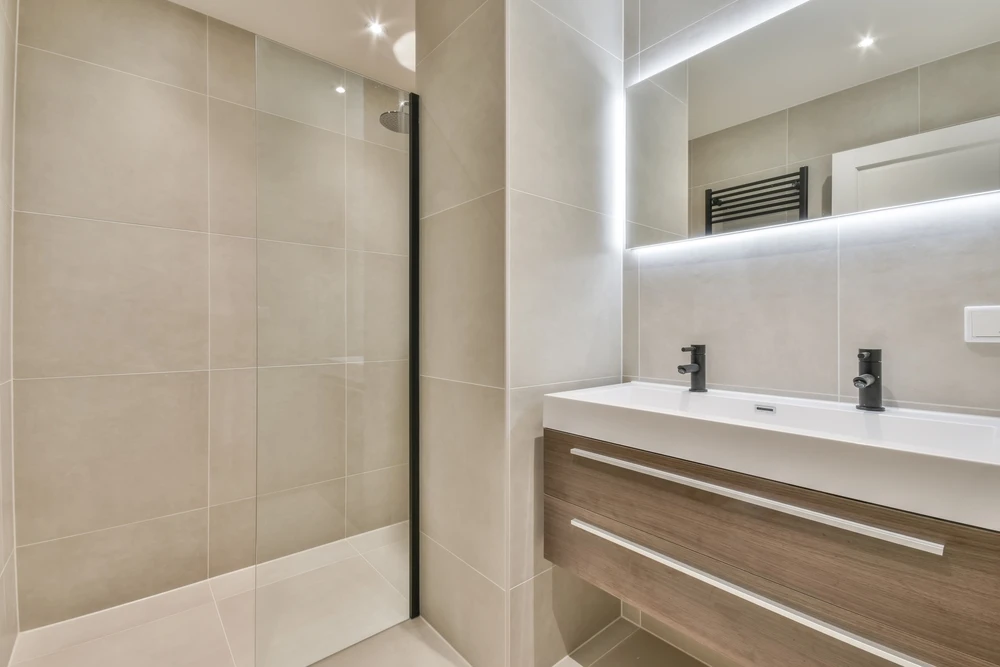
This is where smart bathroom investments really pay off. The finishes and fixtures a homeowner chooses will definitely influence first impressions, but it is the hidden performance features and everyday comfort upgrades that keep the space feeling solid and enjoyable for years. These same decisions also send strong signals to future buyers that the bathroom has been renovated properly, not just cosmetically.
At Pulse Kitchens, we look past the surface to specify products and construction details that handle moisture, support changing needs over time and quietly make the room easier to live in. The following features are worth prioritising in both the design and the budget.
Moisture is the main enemy of bathroom longevity. Selecting the right materials and construction methods avoids problems like swelling, mould and loose tiles that can quickly devalue a renovation.
For floors and walls, our team recommends porcelain or ceramic tiles with a suitable slip rating for wet zones. They are far more resistant to staining and wear than many natural stones and much easier for future buyers to maintain. Under and behind those tiles, correct waterproofing with quality membranes and properly detailed junctions is essential. It is one of the first things a savvy buyer or building inspector will look for because failures can mean expensive repairs.
For cabinetry, moisture-resistant board and properly sealed edges prevent swelling around basins and on kickboards. Stone or engineered stone benchtops with undermount basins minimise exposed joins and create a cleaner look that also handles daily splashes better. Well-planned ventilation, whether through a correctly sized exhaust fan or a combination of fan and window, helps control condensation, which protects paintwork, mirrors and cabinetry over the long term.
Comfort features are used multiple times a day, so they quickly become selling points. Underfloor heating in tiled bathrooms is a relatively small upgrade during renovation that transforms cold, echoing rooms into inviting spaces. Buyers often see it as a luxury feature, and it improves comfort without cluttering the design.
Layered lighting is another key element. A combination of bright overhead lighting and softer task lighting at the mirror lets users shave or apply makeup accurately, then switch to a more relaxing ambience for a bath or evening shower. Quality LED fittings reduce running costs, which is a quiet but important factor for long-term satisfaction.
Heated towel ladders, soft-close drawers and toilets and well-positioned storage niches in the shower all contribute to a sense that the room has been thoughtfully designed. These are not just extras. They influence how buyers feel during inspections because they can immediately imagine using the space.
Future-proof features make the bathroom more user-friendly now and increase appeal for a wider range of buyers later. A walk-in shower with a low or flush threshold is easier for children and older users to access, and it also looks contemporary. Where space allows, our designers often recommend a slightly larger shower with a built-in seat or ledge, which helps with shaving and can double as support for anyone with limited mobility.
Installing wall blocking behind tiles in key areas allows grab rails to be added in the future without major demolition. Simple decisions like lever tapware instead of knobs and wider circulation space in front of the vanity and toilet also contribute to a bathroom that can adapt as needs change. Buyers are increasingly aware of these features and often choose homes that will let them stay in place comfortably for longer.
In the end, the most successful bathroom renovations are the ones that balance everyday practicality with timeless style and smart investment. Thoughtfully planned layouts, quality fixtures, efficient storage, layered lighting and well-chosen materials all work together to create a space that looks beautiful, functions smoothly and appeals strongly to future buyers. Features such as walk-in showers, freestanding tubs, custom vanities, underfloor heating and water-efficient fittings don’t just elevate your daily routine; they also help set your home apart in a competitive resale market. By prioritising durable products, cohesive design and professional installation, you protect your budget, minimise future maintenance and maximise the long-term value of your renovation. Ultimately, a considered bathroom upgrade is not just an expense; it’s an investment in your comfort, your lifestyle and the overall worth of your home.

